Trump's visit to China
As Trump's state visit to China from May 14 to 15, 2026, came to a close, both China and the U.S. announced a series of trade achievements. Unlike the "broad-based deals" reached during Trump's first visit to China in 2017, this visit demonstrated three noteworthy structural shifts in advancing trade with China:
I. Trade "Standardization": Transitioning from "Purchase Order Diplomacy" to Institutional Frameworks
The most crucial progress lies in both parties beginning to set up "guardrails" for trade frictions.
In the past, fluctuations in Sino-U.S. trade were highly dependent on "phone diplomacy" between leaders and temporary exemptions. During this visit, the U.S. side revealed that both sides were exploring the establishment of a bilateral "Trade Board" to specifically identify tariff adjustments and investment pathways in non-sensitive sectors. Additionally, building on the one-year ceasefire agreement previously reached by trade representatives in Busan, further details were clarified regarding implementation and dispute resolution mechanisms.
The substantive significance of the China trade deal: This marks the first time that Chinese export enterprises to the U.S. have secured a predictable policy buffer period. Beyond high-tech sectors like semiconductors, traditional manufacturing industries are no longer exposed to the extreme risk of tariffs "spiking overnight to 145%." The certainty of trade has been significantly enhanced.
2. "Precision" in Procurement List: Securing Long-term Shares in Agricultural Products and Aviation
Although Trump claimed to have signed a "dream deal," the procurement project being advanced carries strong political stickiness, directly serving the domestic interests of both parties.
Upgrading the "ballast stone" of agriculture: China has pledged to purchase "hundreds of billions of dollars" worth of U.S. agricultural products annually over the next three years, encompassing not only traditional soybeans but also corn, sorghum, and beef. This directly secures votes from agricultural states in the Midwest U.S., ensuring that the agricultural sector will remain a "safe zone" even amid future trade frictions. For Chinese importers, this means establishing a more stable U.S. grain supply system.
The aviation industry breaks the ice: China agrees to purchase 200 Boeing passenger aircraft. This marks the first large-scale resumption of Boeing aircraft procurement by China in nearly a decade, not only facilitating fleet expansion for domestic airlines but also signaling the reestablishment of supply chain cooperation between China and the U.S. in the high-end manufacturing sector.
III. Energy and Geopolitics "Linkage": Opening the Energy Corridor of the Strait of Hormuz
This is the most geopolitically groundbreaking aspect of the current visit. Trump revealed that China expressed a willingness to help maintain the freedom of navigation in the Strait of Hormuz and stated it would not provide military equipment to relevant parties.
Direct Promotion of Trade with China:
Previously, due to the tense situation in Iran, the shipping safety in the Strait of Hormuz was severely threatened, directly leading to a surge in insurance costs and freight rates for China's crude oil imports from the Gulf region. This statement by China on the security of strategic passageways secured substantive concessions from the U.S. on trade issues.
Result: The "chokepoint" of global energy shipping has been reopened, substantially enhancing the supply chain security of China, the world's largest crude oil importer. At the same time, this also paves the way for China's future participation in the reconstruction of Middle Eastern infrastructure.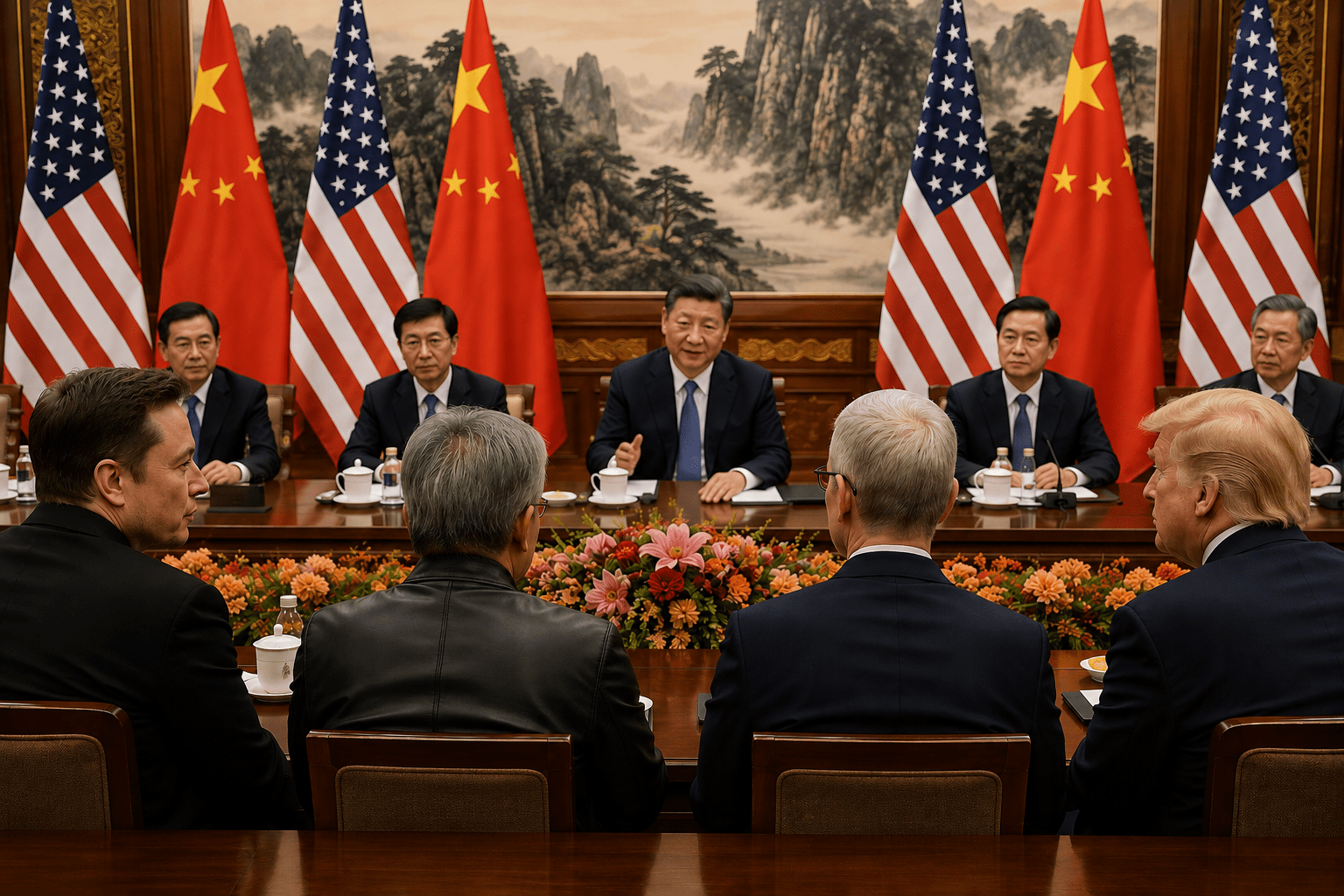
Contact: Monica
whatsapp:
 Monica
Phone: +8613342014397
Tel: 86-22-25220868
Email: info@tjchemi.com
Add: No.180 Century Avenue, Dagang Street,Binhai New District, Tianjin, China