Differences in the application of bromochlorohydantoin/BCDMH, trichloroisocyanuric acid/TCCA, and dichloroisocyanuric acid/SDIC in water treatment
1. Differences in Core Chemical Characteristics and Mechanisms of Action
Bromochlorohydantoin (BCDMH)
Composition: Organic bromine-chlorine complex.
Mechanism of Action: Slowly dissolves in water, simultaneously releasing hypobromoic acid and hypochlorous acid. Hypobromoic acid generally has higher bactericidal efficiency than hypochlorous acid, especially in water containing ammonia nitrogen, where it can form a bactericidal bromide with strong bactericidal activity and slow decay.
Key Characteristics: Slow-release, synergistic effect of bromine and chlorine.
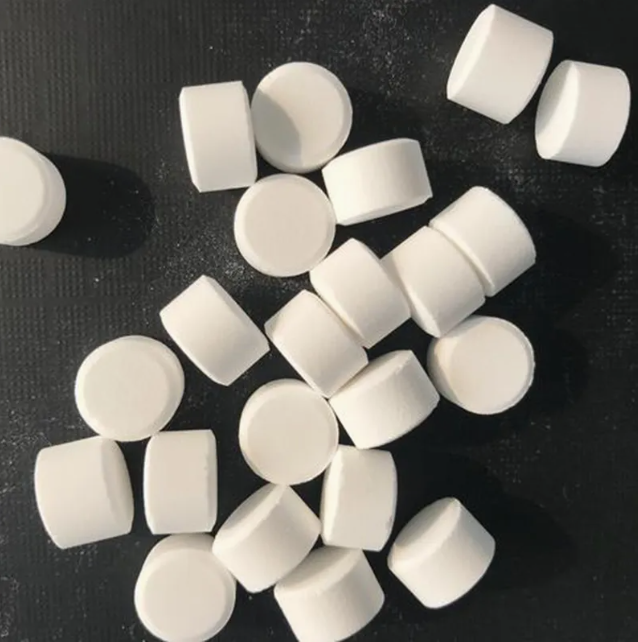
2. Trichloroisocyanuric Acid (TCCA) and Sodium Dichloroisocyanurate (SDCC)
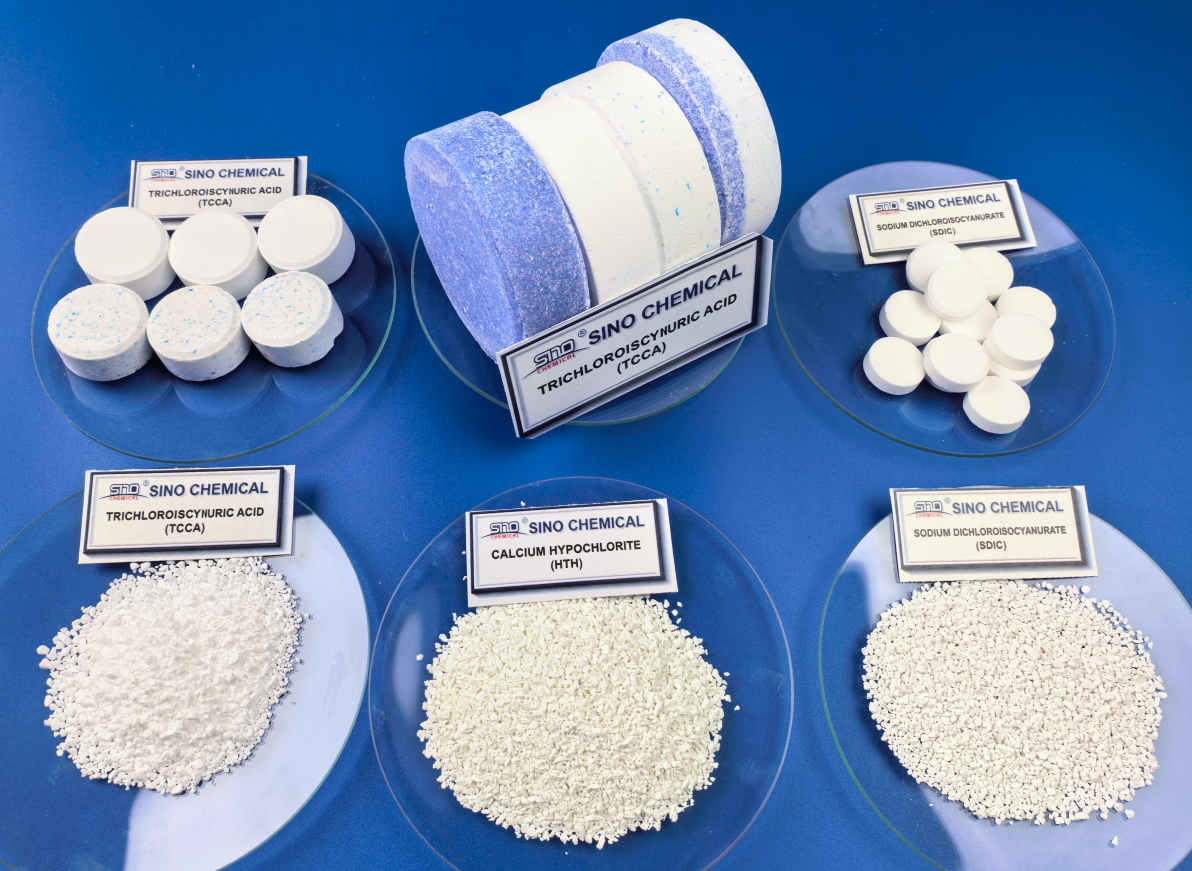
Composition: Both are organochlorine preparations. TCCA is a solid (tablets/granules/powder), while SDCC is usually a white powder easily soluble in water.
Mechanism of Action: Hydrolyzes in water, mainly releasing hypochlorous acid. Trichloroisocyanuric acid has a higher chlorine content (approximately 90%), while sodium dichloroisocyanurate dissolves faster.
Key Characteristics: High chlorine content, rapid action (especially sodium dichloroisocyanurate).
Specific differences in water treatment applications
Characteristic Dimensions | BCDMH | TCCA | SDIC | Summary and selection recommendations |
Bactericidal Spectrum and Efficiency | Broad-spectrum and highly effective against bacteria, viruses, fungi, algae, and especially spores. Bromine and chlorine work synergistically for strong biofilm penetration. | Highly effective, with rapid sterilization and strong algae control. | Highly efficient and fast-acting, dissolves quickly, and takes effect rapidly. | For routine, rapid sterilization: Dichlorophenoxyacetate > Trichlorophenoxyacetate. For combating stubborn microorganisms (such as spores): Bromochlorohydantoin is superior. |
Stability and Durability | Excellent. Slow hydrolysis maintains effective concentration for a long time, providing continuous protection and reducing dosing frequency. | Good. Trichloroisocyanuric acid is stable in solid form, but it is consumed relatively quickly in water. | Generally effective. Dissolves quickly, but is also consumed quickly, requiring more frequent additions to maintain concentration. | For long-lasting effects: Bromochlorohydantoin is the first choice. For shock treatment: Dichlorophenoxyacetate/trichlorophenoxyacetate is more suitable. |
pH Dependence | Low activity. Maintains high activity over a wide pH range (especially alkaline). | High. Hypochlorous acid activity decreases significantly at pH > 7.5; attention should be paid to adjusting the water pH to slightly acidic. | Highly effective. Similar to trichloroisocyanuric acid, pH control is necessary to ensure effectiveness. | For high pH or alkaline water: Bromochlorohydantoin has a significant advantage. When water quality is unstable, Bromochlorohydantoin is more worry-free. |
Corrosivity and Irritation | Low activity. Relatively low corrosiveness and irritation to skin, mucous membranes, metal equipment, and pool walls. | Relatively high. Strong oxidizing properties; highly corrosive to metals; irritating to skin and mucous membranes. | Relatively high effectiveness. Similar to trichloroisocyanuric acid, but with strong corrosive and irritating properties. | For scenarios with high equipment maintenance requirements/high human contact (such as hot springs, intensive aquaculture): Bromochlorohydantoin is safer. |
Resistance to Organic Matter Interference | Strong activity. Maintains good bactericidal power even in water rich in organic matter and ammonia nitrogen (such as aquaculture ponds), and the brominated ammonium bromine still has bactericidal effect. | Weak. Hypochlorous acid readily reacts with organic matter and ammonia nitrogen, being consumed to form chloramines (weak effect and odor), leading to rapid loss of available chlorine. | Weakly effective. Similar to trichloroisocyanuric acid. | For poor water quality and high organic matter content (such as in the later stages of aquaculture): Bromochlorohydantoin has more stable effects and is more economical. |
Odor and Byproducts | Low chlorine odor and relatively few byproducts such as trihalomethanes. | Strong chlorine odor; easily forms chloramines (pungent odor) and more trihalomethanes in water containing organic matter. | Similar to trichloroisocyanuric acid. | For indoor swimming pools or hot springs sensitive to air quality: Bromochlorohydantoin provides a better experience. |
Cost | Relatively high unit price. However, due to low dosage, long-lasting effect, and low loss, the overall cost of use may be lower. | Medium unit price. However, it is consumed quickly; large quantities are required in highly polluted water, and the overall cost needs to be evaluated. | Competitive unit price. However, frequent additions are required, potentially increasing labor and monitoring costs. | Considering overall cost-effectiveness: For good water quality and meticulous management, Trichlorophenoxyacetate/Dichlorophenoxyacetate is suitable; for complex water quality, long-lasting effects, and reduced manual labor, Bromochlorohydantoin may be more cost-effective. |
Applicatoin:
1. Typical Application Scenarios:
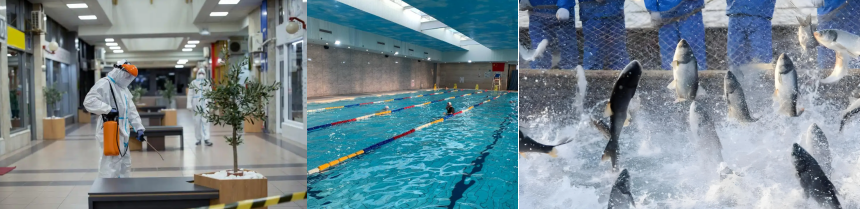
Aquaculture (Fish, Shrimp, Crab, etc.): Bromochlorohydantoin is the preferred choice. Its long-lasting effect, low irritation, and strong resistance to organic matter interference make it ideal for environments where farmed organisms can live long-term and where water quality is prone to eutrophication. It effectively prevents and controls diseases with minimal stress on aquatic animals.
Trichloroisocyanuric acid/Dichloroisocyanurate: More commonly used for pond cleaning, equipment disinfection, or as a short-term shock treatment. Long-term use requires caution due to its corrosiveness and irritation.
2. Swimming Pool/Hot Spring Water Treatment:
Bromochlorohydantoin: Suitable for indoor swimming pools, hot spring spas, and high-end hotel pools. It has a low odor, low corrosiveness, and is gentle on swimmers' skin and eyes. It is stable in the presence of lipids, urea, and other organic matter in the human body.
Trichloroisocyanuric acid (tablets): The most mainstream choice for large outdoor swimming pools due to its controllable cost and convenient dosing (slow release via a dosing device). However, enhanced pH adjustment and ventilation are necessary.
Sodium dichloroisocyanurate:Commonly used for shock treatments to rapidly increase residual chlorine (e.g., before start-up or after a surge in load).
3. Industrial Circulating Cooling Water:
Bromochlorohydantoin: Offers better penetration and long-lasting effects when systems have microbial slime or algae problems.
Trichloro/Dichloro: Widely used as a conventional bactericide and algaecide, cost is the main consideration. It needs to be used in conjunction with corrosion inhibitors to reduce corrosion to the system.
4. Drinking Water and Wastewater Disinfection:
Trichloro/Dichloro (especially sodium dichloro) is more widely used due to its rapid dissolution, low cost, and mature technology. However, strict control of dosage is necessary to prevent byproducts.
Bromochlorohydantoin is less used in this area, mainly due to cost and regulatory control over brominated byproducts.
Contact: Monica
whatsapp:
 Monica
Phone: +8613342014397
Tel: 86-22-25220868
Email: info@tjchemi.com
Add: No.180 Century Avenue, Dagang Street,Binhai New District, Tianjin, China